EV Charging Station Manufacturer Selection for International Projects
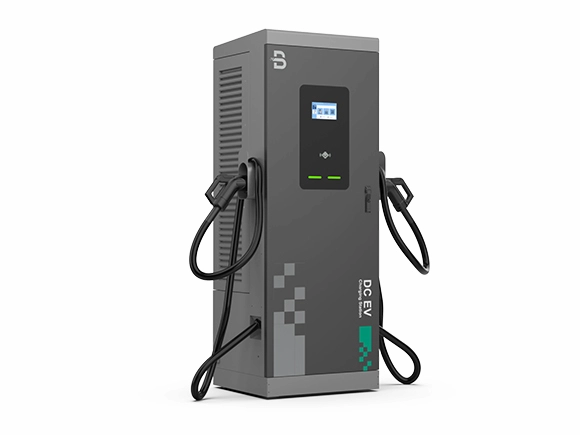
International charging projects add a localization problem to the usual equipment decision. A charger suitable for one country may have the wrong connector, input configuration, payment interface, certification package, language, communications profile, or service model for another. Buyers should define the destination-market configuration before they compare quotations.
Create a market requirements schedule
List the installation country, grid input, earthing arrangement, ambient conditions, connector standard, cable configuration, metering requirement, payment method, communications, labels, language, and applicable electrical and radio rules. Include accessibility, consumer information, cybersecurity, and data-hosting requirements when they apply. Local engineers or qualified compliance specialists should confirm the final list.
Connector names alone are not enough. CCS, CHAdeMO, J3400, GB/T, and other systems involve different vehicle interfaces and market ecosystems. The expected vehicle population and the current destination-market rules should determine the connector mix. Avoid ordering a global model designation without a configuration sheet tied to the purchase order.
Verify certification at model level
Request certificates and test reports for the exact model, power rating, connector, payment hardware, and market variant. Check that the legal manufacturer, model number, and referenced standards match the product label and quotation. Ask whether optional components or firmware versions affect the approved configuration.
An EV charging station manufacturer serving international projects should be able to provide suitable connectors, regional documentation, communication options, and installation information for local teams. The buyer still needs independent confirmation that the selected variant meets the rules at the place and date of installation. A broad product range is not a substitute for model-specific evidence.
Test software and commercial interfaces
Confirm the OCPP version and functions required by the selected charging management system. Test authorization, transactions, meter values, remote commands, alarms, firmware updates, and recovery after connectivity loss. If the site uses bank-card payment, roaming, or a local payment provider, define who supplies and certifies each interface.
Review data ownership, server location, privacy responsibilities, access control, and software support. The contract should state whether the charger can move to another backend, what credentials are needed, and which proprietary services remain necessary.
Plan logistics and after sales support
International supply adds packaging, shipping, customs, spare parts, local inventory, training, and time-zone constraints. Agree on Incoterms, delivery evidence, warranty start, damage handling, replacement procedure, and the party responsible for commissioning. Provide local installers with drawings and manuals before equipment arrives.
Run a pilot in the destination configuration. A useful pilot tests installation, grid connection, representative vehicles, backend behavior, payment, environmental operation, and support escalation. Release the larger order only after the evidence closes the main localization risks.